Eh udah lama nih kagak nulis cerita di blog. Tapi sekarang kondisinye udeh beda lagi. Kalo dulu statusnye masih mahasiswa terus berubah jadi pemburu kerja, sekarang udeh jadi setengah karyawan.
Lah kok, setengah karyawan?
Hehe... Maksudnye sekarang ane keterima program MT nye Astra Agro Lestari.
MT apaan lagi tuh?
MT ntu kependekan dari Management Trainee, ntu tuh program penerimaan calon pegawai perusahaan lewat jalur khusus nyang ntar bakalan dijadiin pimpinan gitu deh.
Trus Astra Agro Lestari perusahaan apaan?
Meskipun Astra terkenal ame perusahaan otomotif kaya Toyota, Honda, Isuzu, Daihatsu, de el el. Tapi ini Astra nyang super beda bidangnye. Astra Agro Lestari nyang biasenye disingkat AAL ntu perusahaan agribisnis khusunye kelapa sawit nyang produknye minyak CPO dan PKO. AAL termasuk perusahaan kelapa sawit terbesar di Indonesia.
Oiye kalo kagak tau minyak CPO sama PKO ga usah nanya sekarang dah, ntar ade waktunye... kalo dibahas disini ga nyambung jek ame temanye...
Nah, balik ke tema... ceritenye udeh keterima di AAL, kite semua ada 33 orang digojlok di Rindam Jaya.
Aduuuuhhh, Rindam Jaya minyak apaan lagi tuh???
Haha... Rindam Jaya ntu bukan minyak, tapi tempat pendidikan militer dibawah Kodam Jaya TNI-AD. Begitu jek maksudnye....
Jadi, semua peserta MT dididik fisik, mental, ame kepemimpinannye disini jek. Kite disono dikarantina kagak boleh keluar dari kawasan ntu.
Hari pertama aje, fisik kite udeh diporsir ame pelatih disono. Uuuh dongkol banget waktu disuruh tiarap, guling, jalan jongkok, hah pokoknye fisik ni kaget banget dah....
Tapi hari-hari berikutnye kite udeh biasa deh ame yg istilahnye push up, sit up, hormat, jalan baris, ampe mandi bareng... (uuupsss nyang terakhir sebenernye disensor nih).
Yups, selama 18 hari pelatihan kite dituntut harus selalu kompak kapan n dimane aje. Contohnye kalo pergi dari satu tempat ke tempat laen kaya mao ke masjid ato mao makan harus bareng2, baris, n harus nyanyi... Terus kite juga dibiasain bangun pagi2, ronda alias jaga barak, beresin tempat tidur ame lemari masing2 ampe rapi serapi rapinye, trus kite juga wajib piket tiap hari nyang namenye korpey (curve). Oiye ade lagi, kite juga dibiasain selalu hormat ame komandan atowe ame orang nyang lewat di deket kite...
Nah, selaen di Markas Rindam Jaya, kite juga dilatih ampe ke Gunung Bunder ampe 3 hari 2 malem, tempat latihan tempurnye Rindam Jaya nyang ade di daerah Bogor, tepatnye deket kampus ane IPB di daerah Ciampea. Ntu tuh di kawasan konservasi Gunung Halimun... Kalo kagak tau juga cari aje deh di Mbah Google.
Disono kite digojlok buat tes mental nyang kegiatannye Caraka Malem. Kite disuruh nyampein berita ke komandan nyang ade di pos finish supaye kagak ketauan musuh... kite disuruh jalan sendirian malem2 lewat utan, gelap banget, ame pake ade acare segala ditakut2in lagi pake pocong2an... Tapi kate temen emang ade pocong beneran di sepanjang jalan...
Duh waktu ntu ane bingung juga takut nyasar, ye walopun ade petunjuk arah tapi kan kite harus jeli nyari petunjuk arahnye... ampe temen ade nyang nyasar dicari ampe setengah jam baru ketemu.... hahaha...
Terus besoknye dilatih fisik buat lewatin semua rintangan kaya jala.... (ape ye namenye, ane jadi lupa) nyang pasti kaya spiderman, terus flying fox, terus jembatan tali dua, terus turun ame naek bukit, ampe turun tebing... istilahnye ane lupa semua...
Nah malem kedua ade renungan malem ame api unggun, terus hari terakhir kite diajarin buat bisa bertahan hidup atowe bahasa kerennye survival... Disono kite dikenalin ame tumbuh2an liar yang bisa dimakan trus diajarin juga cara nangkep uler trus dimakan deh dagingnye.... hehe ternyata daging uler lebih enak dari daging ayam....
Abis di gunung, kite balik lagi deh ke markas Resimen Induk Daerah Militer Jayakarta (Rindam Jaya) buat nyelesaian sisa harinye ampe tanggal 30 Mei 2011.


 (File>New) , click Part
  , OK .
 (Tools>Option…) , select Document Properties tab. Select Units , under Unit System select IPS (inch, pound, second) OK.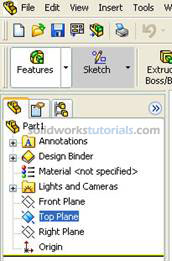
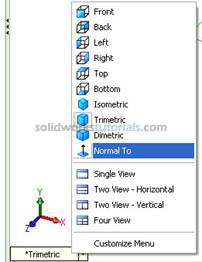
 in Command Manager, click Circle
  . As you can see on upper right corner sketch icon appear indicate that you’re on sketch mode
 .
. point as starting point, drag to right hand side
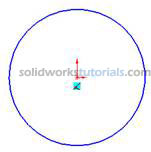 no need to be exact the size will define in later step. Press keyboard ESC to end circle sketch.
 , and start dimensioning pick circle edge and set to 0.50in
 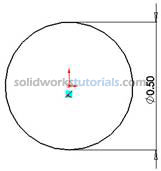 . Press keyboard ESC to end smart dimension.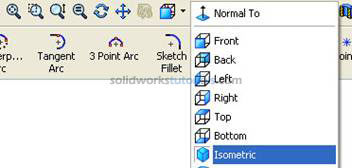
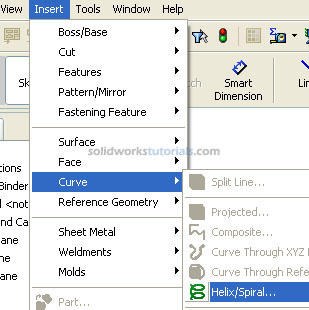 .
. .
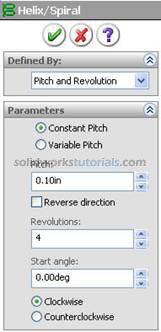
. 
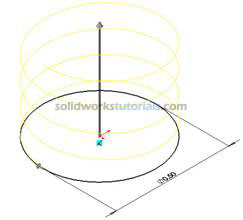
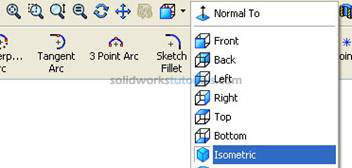
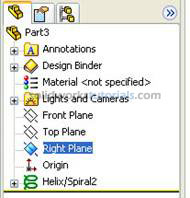 , click Normal To
 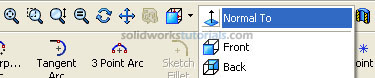 .
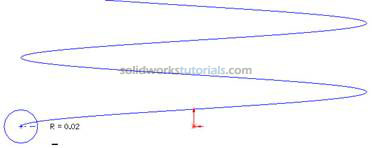
.
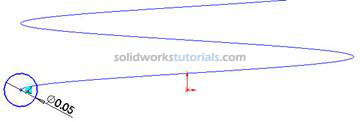
 . Click Features
 and activate features menu. Click Swept Boss/Base
 and set Profile to Sketch2 by click on circle sketch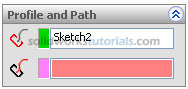
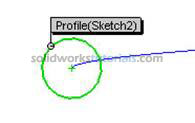 and set Path by click helix path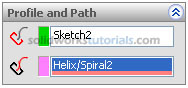
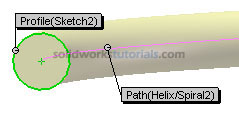 and
and  .
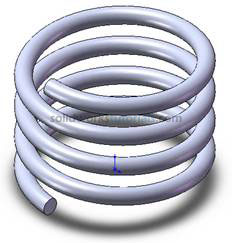
.